

What Does a Wedding Coordinator Do?
At Wand & Bash Event Planning, I field this question in almost every consultation: What does a wedding coordinator actually do, and how are they different from a planner or a venue coordinator?
Understanding these distinct roles saves you time, stress, and resources down the road. Here is a clear breakdown of who does what, along with key insights to help you choose the right support for your big day.
Wedding Planner vs. Wedding Coordinator: What’s the Difference?
While both roles protect your vision, they step in at different stages of the process and carry vastly different scopes of responsibility.
The Wedding Planner: A wedding planner guides you through the design, logistics, and decisions from day one. Most couples hire a planner immediately after securing their date and venue.
Design & Vision: Planners help you build and refine your aesthetic, advising on everything from color palettes and spatial layouts to bridesmaid dresses and napkin folds.
Vendor Matchmaking: A planner’s greatest asset prior to the wedding day is curated vendor selection. We match you with the right caterers, florists, and photographers based on your budget, style, and personality.
Scope & Service Levels:
Full-Service Planning: Comprehensive management from initial budgeting and spatial design to final send-off and cleanup.
Partial Planning: Ideal for couples who have started planning but need structured vendor management starting 6–8 months out.
Design & Styling: Focused primarily on the aesthetic, theme, and visual direction of the event space.
The Wedding Coordinator: Whether called Month-Of Coordination or Wedding Day Management, a coordinator’s goal is to execute your pre-planned vision and handle day-of logistics so you don't have to. You act as the planner; they act as the execution team.
Timeline & Vendor Management: A coordinator typically steps in 1–3 months prior to the big day. They construct your master timeline, manage final vendor confirmations, outline load-in logistics, conduct a site walkthrough, and run your rehearsal.
Why "Day-Of" Is a Misnomer: I avoid the term "Day-Of Coordinator" because no professional can step into a complex event on the day itself without prior context. When coordinators arrive cold, couples end up answering questions all day instead of enjoying themselves.
The 3-Month Sweet Spot: At Wand & Bash, coordination begins three months before your wedding. This gives us enough time to understand your priorities, catch logistical gaps early, and ensure true peace of mind.
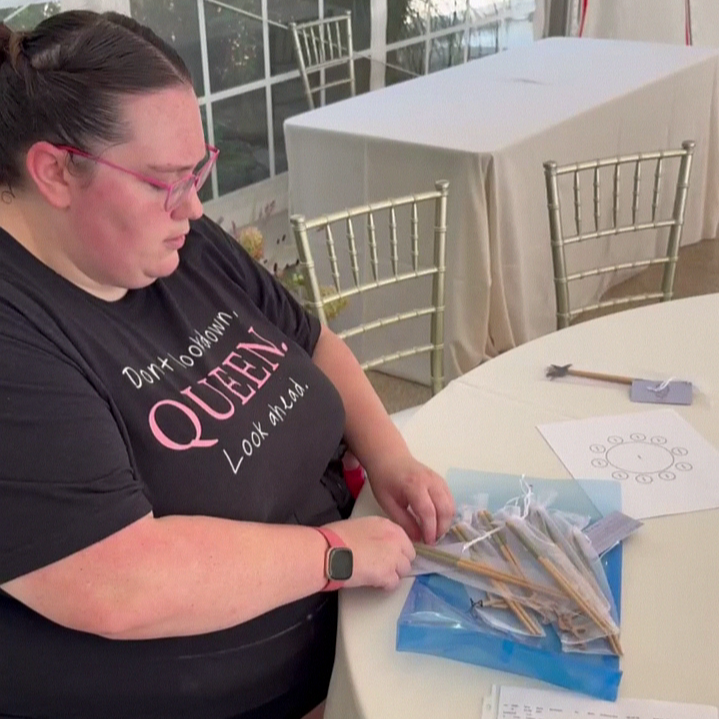
Attention to details
Here I am re-tying the thank you tags to wedding favors. Making sure tables are photo ready.
Venue Coordinator vs. Hired Coordinator
Confusing a venue contact with a personal wedding coordinator is one of the most common—and costly—misunderstandings for couples.
Venue Coordinator: Works for the venue. They focus on facility operations, venue staff, baseline catering or bar services, and site rules. They do not monitor off-site vendor arrivals, prompt the DJ for key moments, line up the wedding party, or pack up your personal decor.
Hired Wedding Coordinator: Works directly for you. They oversee the full scope of the day, ensuring all outside vendors, timeline moments, and personal details stay on track.
The Golden Rule: The venue coordinator ensures the building is ready. Your hired coordinator ensures your wedding runs smoothly.
Behind the Scenes: Resolving Crises Effortlessly
An exceptional coordinator shines brightest when unexpected hiccups arise. On any given event day, challenges crop up: tardy suppliers, incorrect rental headcounts, missing place cards, late hair and makeup schedules, or sudden rainstorms.
At Wand & Bash Event Planning, I’ve stepped in to fix rental delivery errors on the fly, adjust the timeline when hair and makeup ran over, and execute seamless indoor rain contingency plans.
My approach centers on proactive prevention: I arrive with a fully stocked emergency kit and pre-planned contingency strategies for events across the DMV and Eastern Panhandle regions. While I make background adjustments behind the curtain, your timeline stays intact, and your focus stays where it belongs: on celebrating.
Standard Inclusions and Typical Investments
A standard wedding management agreement should include:
Complete vendor outreach and timeline creation
Detailed site walkthrough and final layout review
Rehearsal direction and dedicated wedding day coverage
Clear hours of service, planning session counts, and overtime rates
Throughout the DC metro area, professional coordination investments typically range from $2,500 to $3,500, depending on guest count, logistical complexity, and overall scope.
5 Questions to Ask Before Hiring a Coordinator or Planner
Which specific services fall under your base package versus optional add-ons?
What emergency coverage plan is in place if you fall ill on the wedding day?
How often will you update us?
How many other events will you manage on our date?
Can you provide a sample master timeline from a past event of similar scope?
Ready to hand over the clipboard and actually enjoy your wedding day?
You’ve spent months planning the details. Now it’s time to celebrate them.
If you’re planning a wedding in the Eastern Panhandle of WV, Western Maryland, or Northern Virginia and want an experienced planner to handle the timelines, logistics, vendor communication, and behind-the-scenes details, I’d love to help.
Let’s make sure you get to be fully present for the day you worked so hard to create.